
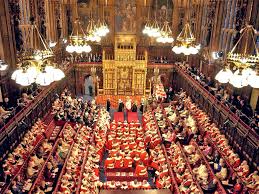
The unelected House of Lords is an outdated institution and recent decisions by Labour Party Lords are pushing its constitutional role to breaking point.
The basic legal position is that Acts of Parliament require the consent of both Houses of Parliament. Over time, the dominance of Nobles over the Commons has waned, to the point that the elected Chamber is now given priority over the unelected “Upper House”. For example, the Salisbury Convention means that Lords should not block legislation that enacts policies which appeared in the Government’s election manifesto, on the basis that these were endorsed by the population in a general election.
These days the Lords are very wary of delaying or blocking government legislation – preferring to act as a “revision chamber”, but they are entitled to do so, especially on laws that were not manifesto promises, or violate constitutional principles like the rule of law. Where the Lords do block a piece of legislation, the Government can use the “Parliament Acts” to pass the legislation with the support of the Commons alone.
We have become increasingly frustrated that the Labour Party is attempting to unilaterally rewrite the role of the House of Lords, by refusing to block or significantly delay any government legislation. No matter how bad, poorly written, cruel or oppressive the Bill, the Labour Party insists that the Lords must not block it. Given that the Labour Party controls the balance of power in the Lords, they choose to allow legislation to pass that would otherwise be defeated.
We can only speculate that they are doing this in the hope that the Tories repay the favour whenever Labour next forms a government. To place all their trust in the Conservatives seems naive and foolish and means that terrible legislation like the Public Order Act and Illegal Migration Bill are being waved through when the Lords have every right to stop them.
Of course, the only sensible solution to this quagmire of constitutional niceties is to replace the Lords with an elected second chamber.
 Baroness Jones of Moulsecoomb