My Lords, it was quite difficult to sit here and listen to that, but I will come to that. I very strongly support Amendment 369, and I do so with a real sense of fury that we are in this position, that we actually have to do this, and that it is not obvious to any Government that in a democracy we need the right to protest to be protected. To engage in peaceful protest means irritating other people. I apologise to Lord Blencathra, but, unfortunately, what he said just now was complete and utter nonsense.
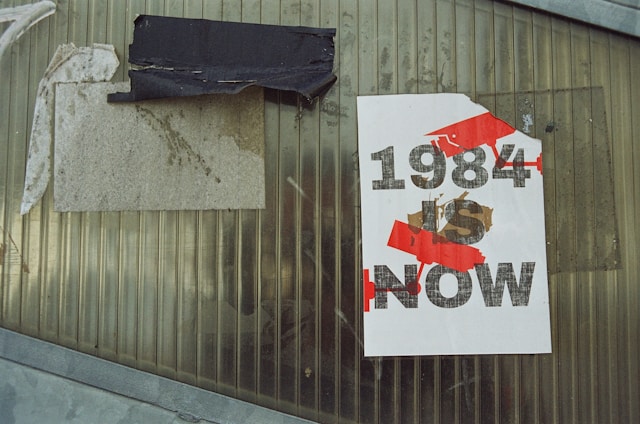
Over recent years, we have seen a real erosion of protest rights through one Bill after another. I sat here and watched it all and protested at every single move.
Each was justified on a narrow, technical or operational point but, taken together, they amounted to a clear political direction—making protests harder, riskier and much easier to shut down.
Amendment 369 does not invent new rights. It states in clear and accessible language that peaceful protest is a fundamental democratic right and that public authorities have a duty to respect, protect and facilitate that right.
Amendments 369ZA and 369ZB seek to qualify that right by reference to whether members of the public are “hindered”, experience “inconvenience” or are able to go about “their daily business”. These amendments fundamentally misunderstand the nature of protest. Almost all meaningful protest causes some degree of hindrance or inconvenience. If it does not, it is very easy to ignore. From the suffragettes to trade unionists to civil rights campaigners, protest has always disrupted business as usual, precisely because that is how attention is drawn to injustice. For example, proscribing Palestine Action was such a stupid move by the Government and has caused more problems for them and the police than if they had just left it alone and arrested its members for criminal damage and similar.
I come back to these embarrassing amendments. It is not just the problem of their intent, which I disagree very strongly with, but their vagueness. Terms such as “hindered” and “inconvenience” are entirely undefined. Being delayed by five minutes could be an inconvenience. Noise could be an inconvenience. Simply being reminded of a cause that one disagrees with could, for some, be considered an inconvenience. If those concepts become legal thresholds for restricting protest, the right itself becomes meaningless.
Lord Blencathra, used the phrase “in the real world”. I live in the real world, and I understand what protest does and why it is needed. Under these amendments, any protest that is visible, noisy or effective could be banned on the basis that someone somewhere was inconvenienced. Democracy is by its nature sometimes noisy, disruptive and inconvenient. It is very inconvenient being here at night debating these issues, quite honestly, in a moderately cold Chamber.

 Baroness Jones of Moulsecoomb