A small victory but Labour abstain over immigration vote

The Data Protection Bill, which has started in the House of Lords, will give you the right to access information held about your finances, medical history etc. It’s a positive step forward in lots of ways. For example, it will enable us to correct mistakes and challenge any false information which has become part of the official record.

However, my main focus has been to remove the Henry VIII powers, that allow Ministers to amend and revise protections without having any further Parliamentary scrutiny, or amendment process. Continue reading “A small victory but Labour abstain over immigration vote”

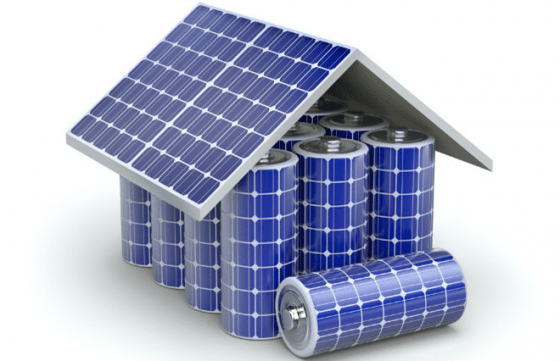
The future is battery run

My question on renewables and energy storage to the Minister

The cost of producing renewable energy has fallen rapidly in recent years and is predicted to be cheaper than all forms of nuclear or fossil fuels by the mid-2020s. The only thing holding renewables back is the cost of storing the energy and making it available when we need it. The UK has plenty of wind, sun and tides to power businesses and homes, but we have to invest in the storage capacity to make this a reality. Continue reading “The future is battery run”

Fewer traffic-police, fewer breath tests

The number of drivers being breathalysed has declined significantly since austerity began in 2010. The number of drivers being tested has dropped from 736,846 in 2010 to 463,319 last year. Overstretched traffic police are letting many drivers get away with drink driving, despite the obvious risks to people’s safety. Continue reading “Fewer traffic-police, fewer breath tests”

Questions raised with Gove about Red Tractor pig farms

I’ve written to the Environment Minister, Michael Gove, about alleged failures of the Red Tractor farms to guarantee minimum standards of animal welfare. An investigation carried out by the organisation Animal Equality exposed serious welfare problems on four British Red Tractor pig farms and includes video footage. Continue reading “Questions raised with Gove about Red Tractor pig farms”

Social justice is as important between generations, as it is within generations

The NUS plays a pivotal role in promoting an understanding of the links between the environment and social justice in this country. So it was a great pleasure to speak at their ‘Green Impact’ Parliamentary reception, which celebrates the way that sustainability has become part of the core business of what the NUS does locally and nationally.

A sense of community links all the anti-fracking campaigns

The common bond between all the towns and villages under threat of fracking in England is their powerful sense of identity and community through the campaigns. Fracking is an imposition, an invasion by big government and corporate power. To represent this common bond, the threatened communities have banded together to produce a Commonweal wheel. It’s inspired by Parliamentary ideas from the Civil War period that power should be invested as close to the people as possible to manage the environment suitably for their sustenance, overriding the interests of the crown and royal decree. Continue reading “A sense of community links all the anti-fracking campaigns”

Sentient creatures and Brexit

The Commons came within 18 votes of passing a Caroline Lucas amendment to the EU Withdrawal Bill which would have included protection of sentient creatures. Early next year I shall put this same amendment to the Lords. It is an existing EU principle and one of many principles underpinning EU law and regulation that have been rejected as amendments by the government.

Continue reading “Sentient creatures and Brexit”

Will new nukes go broke?

A new German-Finnish study suggests renewables paired with storage systems could power the entire globe by 2050. This is good news for the planet and bad news for EDF, the main company behind the Hinkley C nuclear power station. The study estimates that the cost of making renewable energy available every hour of the day, every month of the year will fall to €52/MWh, well below the strike price set for Hinkley C, which starts at £92 and rises with inflation. Continue reading “Will new nukes go broke?”