The fact is that electric vehicles will not help with climate change emissions unless all those charging points are run from renewable energy. Electric vehicles will not completely cut roadside pollution. They will not, for example, cut the particulates coming off tyres and brakes, which is quite a big factor in air pollution. Electric vehicles will not stop congestion or cut the number of people killed or injured on our roads—the statistics are horrifying at the moment. There are also environmental trade-offs. Building any car takes raw materials, sometimes toxic materials, and adds to the planetary burden that we humans create. Continue reading “Electric Vehicle Strategy”
Tag: Environment
Water (Special Measures) Bill [HL] Second Reading
I will bring forward amendments to ensure that this Bill does not simply allow these failed zombie companies to continue extracting bill payers’ cash while loading huge amounts of debt on to the balance sheet. The Government need a serious look at the opportunity to bring these companies into public ownership, and this Bill should give Ministers the option to nationalise these companies where it makes sense. Continue reading “Water (Special Measures) Bill [HL] Second Reading”
Passenger Railway Services (Public Ownership) Bill Second Reading
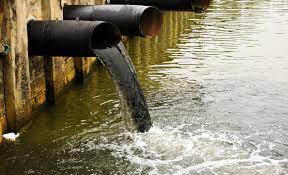
Privatisation of rail has given us higher fares and generated a fat profit for all the state-owned German and French rail companies, which took advantage of UK taxpayers. I congratulate Labour on bringing this to an end. But why not end the disastrous mistake of water privatisation that will cost £12.5 billion in this Parliament alone, only to pay shareholders and creditors, but which will still result in waterways full of faeces, agricultural run-off, other chemicals, drugs, paint, bleach and plastic? If water companies collapsed, we could buy them for pennies and run them ourselves. Continue reading “Passenger Railway Services (Public Ownership) Bill Second Reading”
Greenpeace joins calls to ban incineration
Jenny’s long standing campaign to stop incineration and raise the alarm over CO2 emissions and local air pollution has been joined by Greenpeace. They have teamed up with Exinction rebellion and UK Without Incinerators to deleiver a 10 point action plan to the PM for a swift shift to a circular economy.
Noting social justice concerns, the action plan stresses that better measures to curb pollution from incinerators are urgently required. It points out that incinerators are “imposed on communities against their will, harming their air quality without their consent” and that these plants “are more likely to be built in poorer areas and in areas with higher racial and ethnic diversity”. Greenpeace data has shown that UK waste incinerators are three times as likely to be located in deprived areas.
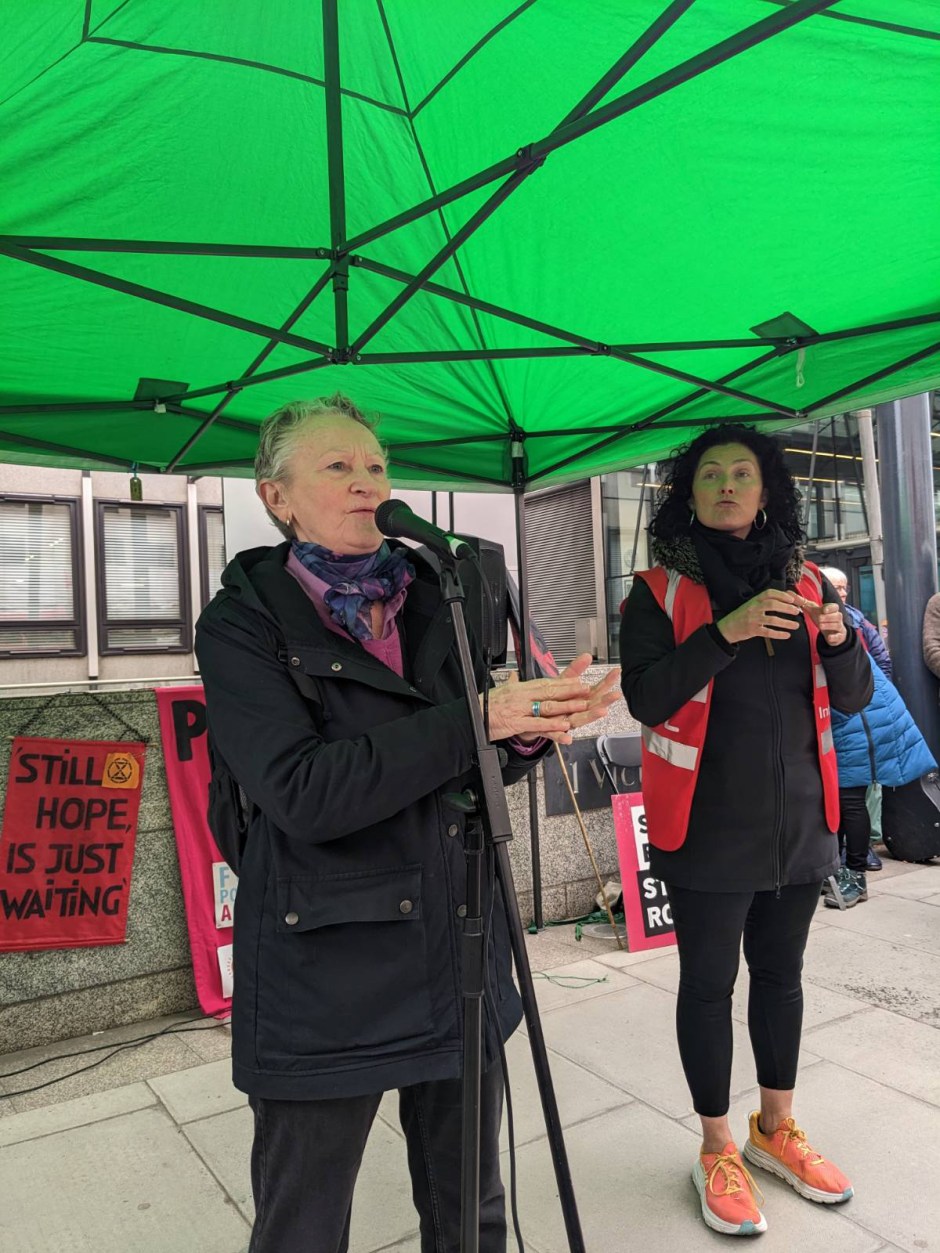
Jenny met them at the Big One weekend of protests in London, saying that “Everyone deserves clean air”
A key green party demand is to stop more incinerators being built and for councils to withdraw from the long term contracts that have such a negative impact on recycling rates.
Government defeats on the Energy Bill
The government suffered four defeats on amendments to the Energy Bill in the Lords last night, including one championed by my Green Party collegue Natalie Bennett on community energy. These will now go back to MPs for them to consider and hopefully we will get a few shifts in the government’s position.
The first amendment adds a new clause imposing a duty on the Secretary of State to bring forward a plan within six months of the passage of the act for low carbon heat, energy efficient buildings and higher standards on new homes.
The second adds a new clause requiring the Secretary of State to bring forward regulations to prohibit the opening of new coal mines in England.
The third adds a requirement to have regard for the UK’s net zero emissions target into Ofgem’s general duties.
The fourth amendment requires the Secretary of state to bring forward regulations to require large energy suppliers to purchase electricity from low carbon community sites and provide annual reporting on the use of such schemes
The cost of not going Net Zero
My next oral question is on February 8th, when I ask:
“Baroness Jones of Moulsecoomb to ask His Majesty’s Government what assessment they have made of the report by the Energy and Climate Intelligence Unit (ECIU) Cost of Not Net Zero in 2022, published on 30 December 2022; and in particular, the finding that the delay in switching to renewables and improving energy efficiency resulted in some households paying around £,1750 extra on their bills last year.”
Seasons Greetings
| Here is the latest news about what Natalie Bennett and Jenny Jones have been doing recently and a few highlights of 2022 working full time as the Green Party’s representatives in the House of Lords |
Life at 2 degrees of warming
COP27 failed to make progress on reducing emissions and the awful reality is that our current economic and political system can’t deliver the necessary change, quickly enough. So have you started wondering how everyday life is going to change in the next ten years due to the climate emergency? It is a timescale that many of us can grasp. My grandchildren will be in their late twenties and I will be retired and struggling to keep the allotment in shape. What will your life be like and what will be the new normal?
COP27 and UK
I can understand why many people around the world will be scratching their heads at Rishi Sunak’s screeching U-turn over his attendance at COP27. In one year, we have gone from Boris Johnson, as PM, putting out the welcome mat at COP26, to a country that is handing out new gas/oil licences and refusing to join the rest of Europe in urging the public to use less energy. While EU countries bring forward their medium-term targets for reducing reliance on fossil fuels, the UK government is not only off track for meeting its targets but is actively doing what it can to inject new life into the oil/gas sector.
Greens in the House newsletter
Much of the legislation we were expecting to be dealing with this Autumn disappeared with the departure of Johnson’s government, but sadly not the Public Order Bill which arrives in the Lords tomorrow. We are yet to see the full implications of the Police Act’s expansion of police powers and the Public Order Bill is full of rehashed versions of provisions already rejected by the House of Lords. You can sign Liberty’s petition opposing the Public Order Bill here.