
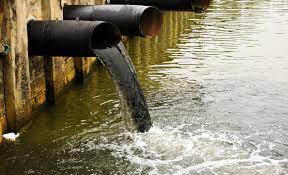
Regulators such as Ofwat have been in bed with the water industry bosses, and the Environment Agency has lost staff and legitimacy. Labour are wedded to private ownership of water and refuse to consider public ownership, even though it would be the most popular legislation they could enact this Parliament.
These amendments take a direct route to stopping pollution by making this personal to the people at the top. If they do not spend the money to invest and reduce pollution, then that is a crime. They are taking the public’s money and failing to improve.
Amendments on the Spy Cops Inquiry and the use of child spies
I support Amendment 470, which I, too, have signed. I agree with every word that we heard from Lady Chakrabarti and Lady Miller. This references a deep vein of misogyny that existed then in the Met police—and I suspect it still exists, in spite of all the promises to the contrary. Lady Chakrabarti, is so calm; it always astonishes me how calm she stays when I know she feels exactly the way I feel about this, which is absolutely furious. I know that when I stand up I am absolutely furious about quite a lot of things, but this plumbs the depths of my fury.
Thank you, everybody. I tried to be a core participant in the spy cops inquiry—I think it was the first one—but the judge ruled that it did not apply to me because I had been spied on by the regular police, not the spy cops, so I could not be part of it. I was very disappointed about that.
Inherent in the police’s behaviour was not only misogyny but sexual exploitation. They used those women as pawns. We have been looking at the Epstein files this week and over the past few years, but here is an example in our country of the most appalling misogyny. I do not understand how anybody can look at the spy cops inquiry and not seek to change the law. Not only were the women treated as pawns by the police, but when they started raising concerns they were just brushed away, by people who had authorised the police to do that very thing. The power of the state to authorise criminal conduct should never be beyond scrutiny, but that is what happened in the spy cops case.
I fully recognise, as I am sure every Lord does, that covert human intelligence sources have a part to play in tackling serious crime. However, recognising that role is not the same as giving a blank cheque to the police or any other organisation. That is the current immunity-based system that we have, which not only risks doing this but has done it. At present, once authorisation is granted, the conduct authorised is decided lawful for all purposes—all. Does the Lord on the Government Front Bench hear that and understand how appallingly open that is to abuse?
History tells us why. We know from past undercover policing scandals that things can and do go wrong—authorisations overdone, lives deeply harmed and fundamental rights breached. In some cases, it is only investigative journalism that brought all these abuses to light and exposed the truth of what happened. Even then, those responsible have not faced accountability.
Some of us have been working on this for 25 years. We have been raising these issues and been fobbed off again and again by Government Ministers who really ought to have looked harder. The last time I raised covert human intelligence sources, it was with particular reference to children. I was assured that the numbers did not amount to more than 10. That is too many. One is too many. Somehow, we accept it as a useful way of finding out what gangs are doing.
I feel very strongly about human rights. The United Kingdom has binding obligations under the European Convention on Human Rights, especially in relation to torture, inhuman or degrading treatment and modern slavery. A system that pre-emptively grants immunity risks putting us in breach of those obligations. It matters for the protection of children who have been authorised as covert sources.
I am deeply troubled that the police use children as covert human intelligence sources. In 2022, children were used in investigations involving Class A drugs and firearms. Some of those authorisations were not even reported in time for any oversight to happen. Children are not trained officers; they are children, placed by the state into dangerous criminal environments. A system that grants advanced immunity and shuts the door on judicial scrutiny offers them no real protection. That alone is reason enough to support this amendment. It also offers a judge’s oversight after the event, not open-ended political reassurance beforehand. It is a model used successfully in other countries and reassures the public that no one is above the law, not even in the shadows. I do not see this as asking us to choose between security and liberty. It asks us to recognise that you cannot have lasting security without accountability.
I very much hope that we bring this back on Report and get even more support. It is interesting that it is three women who have signed this amendment and spoken so far. If this Committee does not understand the relevance of this amendment, then it is supporting misogyny, sexual exploitation and the exploitation of children.
I later intervened saying:
I will ask a similar question to the one I asked Lord Davies of Gower. If these safeguards are so wonderful and if it is all in good order, why was this allowed to happen? The evidence of the spy cops from the early days of that inquiry was that the people overseeing the CHIS knew what was happening regarding their relationships with the women. They knew and they let it happen. That does not sound like good order.
and…
It also keeps us fit. All through the inquiry, the police have blocked information from being given out. They have constantly tried to stop the truth becoming open. I can understand the Minister saying that he is waiting for the inquiry to report, but it could take another decade. In the meantime, we still have those concerns about the police. The women’s concerns were brushed away. There might have been various pathways for them to complain, but they were brushed away. Why does the Minister think it is any better today?
Amendments on economic crime
I do not normally get involved with money issues because they are too messy and convoluted. The last time I recommended any sort of money being given to the police was when I was on the Metropolitan Police Authority. It was going to scrap the wildlife crime unit, and I argued strongly that we should keep it. It was not about naughty squirrels; it was about people committing crimes against wildlife. I felt it was an incredibly important unit, but that is by the by.
I intervened again:
This is a growing crime. I can remember discussing it 20 years ago and people saying, “We need more money to fund the work and we need better systems”, and all that sort of thing, so it is surprising that we need this now after so long. It addresses a persistent weakness in our response to economic crime—the lack of stable long-term funding. Economic crime undermines public trust and causes real harm to individuals and communities, yet the agencies tasked with tackling it are often operating on short-term budgets, dependent on annual settlements and unable to plan effectively. This amendment asks the Government to undertake a serious assessment of whether a proportion of the proceeds recovered from economic crime could be reinvested into a fund to strengthen enforcement. That strikes me as an incredibly sensible approach; it would also stop the Treasury from grabbing the money and using it in even worse ways.
Economic crime is becoming more complex, international and sophisticated. We ought to be on the front foot in tackling it. This amendment would help ensure that those fighting economic crime are properly resourced and able to plan ahead.
Amendments on water pollution
I love these amendments and wish I had tabled them myself. They are excellent. Water companies dumping sewage into rivers has been illegal for years: it is just this and the previous Government’s refusal to act that has let it continue without serious consequences.
The legislation allows Ministers to set a bar of what is acceptable behaviour and, so far, every politician in charge has refused to say what is and is not a major failure. The result of this political cowardice is that water companies continue to make a profit out of polluting our waterways and beaches, and the people in charge continue to collect their big pay cheques and bonuses.
Regulators such as Ofwat have been in bed with the water industry bosses, and the Environment Agency has lost staff and legitimacy. Labour are wedded to private ownership of water and refuse to consider public ownership, even though it would be the most popular legislation they could enact this Parliament. I keep making suggestions about how Labour can get some voters back, but it is not listening.
These companies are fleecing bill payers with the excuse that they need to carry out the investment they have failed to do for decades. They have taken the public’s money and given it directly to shareholders. They have run up debts to pay even higher dividends and the bill payers are now paying for those debts. What is going to stop them doing this all again?
These amendments take a direct route to stopping pollution by making this personal to the people at the top. If they do not spend the money to invest and reduce pollution, then that is a crime. They are taking the public’s money and failing to improve. My own preference would be to put them on long-term community service cleaning up the sewage from our beaches, waterways and riverbanks. I would probably put them in special uniforms so that everybody passing by would know exactly who they are. I would also put a complete ban on dividend and bonus payments.
I am happy—she says, through gritted teeth—to support this more moderate suggestion, as being something the Minister might accept. I would not give them three years to turn it around either, but setting some sort of firm deadline would be preferable to the inaction of this, and the last, Government.
Finally, the best way of stopping the crime of water companies dumping sewage in our rivers is to take them into public ownership. Reduce bills by reducing the money wasted on debt repayments and replace the current set of overpaid bosses with people who can do the job and care about our environment.
I intervened again:
It is very brave of the noble Lord to say categorically that this Government will not put the water companies into public hands, because they are famous for their U-turns, so who knows what is going to happen next week? Secondly, all these bonuses and huge payouts surely show a level of incompetence. They had the money to do the investment and they gave it instead to shareholders.
Hansard record here
 Baroness Jones of Moulsecoomb