
Continue reading “Sustainable Farming Incentive: Small Farms”
People need wild spaces and green spaces and other species need them too. Sharing our world with other species is part of the joy of being alive, when we cage and abuse them, or destroy their habitat, we demean ourselves in the process
Jenny works to increase green spaces and protect animals and wild space
Read on to see her latest posts on this these topics
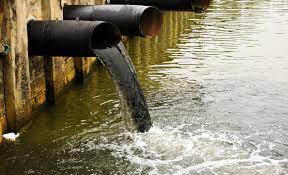
Regulators such as Ofwat have been in bed with the water industry bosses, and the Environment Agency has lost staff and legitimacy. Labour are wedded to private ownership of water and refuse to consider public ownership, even though it would be the most popular legislation they could enact this Parliament.
These amendments take a direct route to stopping pollution by making this personal to the people at the top. If they do not spend the money to invest and reduce pollution, then that is a crime. They are taking the public’s money and failing to improve. Continue reading “Crime and Policing Bill Committee Stage Day 15”
I signed this letter to the Secretary of State which was sent last week Continue reading “Trophy Hunting Ban”

My Amendment 9 on the exemptions in the Bill is supported by WildFish, an organisation with extensive expertise in marine conservation, whose work highlights the importance of making sure that decisions to rely on exemptions are transparent. I would like to have moved this amendment, but we are obviously in a hurry to complete the Bill, so I have held off, but it is incredibly important that we do not allow exemptions without understanding why they have happened. Continue reading “Biodiversity Beyond National Jurisdiction Bill Report Stage”
I intervened in this debate to say: Does the Minister understand the depth of disappointment that a lot of environmental campaigners have felt because the remit did not include taking water out of private hands? There is a general feeling of absolute anger that public ownership was not considered. Does the Minister accept that? I include Feargal Sharkey and myself among those environmental campaigners who are horribly disappointed. Continue reading “Independent Water Commission”

I asked HMG what assessment they have made of the environmental credentials of Drax in view of the new investigation by Stand.earth which reported that Drax had purchased logged trees from old growth forests in British Columbia in 2024 Continue reading “My debate on Drax”

Green MP Adrian Ramsay wrote to the Secretary of State for Environment, Food and Rural Affairs about our poor animal welfare standards and the need for funding to transition away from them. The letter was co-signed by Irene Campbell MP and another 34 Parliamentarians
We need to ensure that our Government listen to a range of experts, not just to those people with loads of cash who can use money and personal contacts to gain access to the detailed discussions. My biggest concerns are monitoring and enforcement: I simply do not understand how those two things will happen in any sort of efficient way. I would like us to become a world leader in pushing for the establishment of marine protected areas in places beyond national jurisdiction. While I am sure that most here would like this Bill to pass so that we can sign up to international law, I would say that it does not go far enough to protect our ocean.
Continue reading “Biodiversity Beyond National Jurisdiction Bill”
 Baroness Jones of Moulsecoomb