Geothermal Heat and Power Debate

This Government are eco-stupid. Part of their problem is an inability to see the global impact of climate change and our role in it. Part of it is the straightforward corruption of donations to the Conservative Party buying influence, North Sea oil licences and the demolition of our net-zero target. Their resistance to all things green is often disguised as innate conservatism, but it is pure hypocrisy, they love open-cast coal mines and giant fracking wells but find large windmills an ugly addition to our traditional landscape. Continue reading “Geothermal Heat and Power Debate”

Levelling Up and Regeneration Bill Second Reading

This Bill does not mention climate change which is the biggest existential threat to all of humankind; it is not just about the north or the south but the whole world and the Government have been deficient in mentioning it and putting it into a context that can make a difference. Continue reading “Levelling Up and Regeneration Bill Second Reading”

Repeal of the Vagrancy Act

The Vagrancy Act is relic of an age when being homeless was a crime, it made it a criminal offence to beg or be homeless on the street in England and Wales. The law was passed in the summer of 1824.

One of my favourite podcast interviews in the Jen’s Green Jam series was with Lord Bird, founder of the Big Issue. He spoke then about getting rid of the Vagrancy Act and afterwards, I was left wondering if it was one of those issues that had to wait for a change of government. Continue reading “Repeal of the Vagrancy Act”

Environment Bill Committee Day 6 – Water

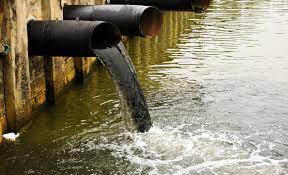
We currently use water in an extremely illogical way. Clean, drinkable water is flushed down the loo when there is a really obvious alternative: to not use it. The separation and capture of grey water should be routine, and the Government should make it a requirement in building regs, because the benefits are so blindingly clear.

When we combine the separation and reuse of grey water with the separation of sewage from drainage, we have a much more sustainable water system. I hope that not very long into the future we will look back on the idea of using clean water to flush our toilets and then mixing it with rainwater, before spending huge amounts of money getting the sewage back out, as illogical and disgusting. Continue reading “Environment Bill Committee Day 6 – Water”

Building to fail

We cannot solve Britain’s housing crisis by building shoddy homes in dangerous places, We need high-quality, safe, energy-efficient homes situated in ecologically sound places. If the Government live up to their stated environmental ambitions or have the slightest bit of common sense, the way forward is obvious: we simply do not build on flood plains. It is a national problem that we cannot fix once these houses are built, because they will not be safe, dry or good to live in and it will be impossible to insure them. Once again, the Government are building for failure, and I do not understand why any Government would do that. Continue reading “Building to fail”

Considering the climate in advice to Planning Inspectors

Any national planning system that allows Heathrow to expand or fails to stop new and bigger roads, is clearly not going to deliver net zero emissions. At a local level we are still building new houses that will have to be retrofitted in the next few years and incinerators that add to greenhouse gas emissions.

Continue reading “Considering the climate in advice to Planning Inspectors”

Reform of leasehold and Community Land Trusts

Can the Minister confirm two things: first, that reform of leasehold means moving towards commonhold, and secondly, that the reforms will exempt community land trusts, which use this system in a very productive way?

Answering for HMG, Lord Greenhalgh said: I will not make such a statement today in the House but a statement will be made very shortly. Community land trusts are a separate policy matter. I agree with the noble Baroness that community land trusts are a way forward—not always the right way but one way to use land for the benefit of a particular community.

Read the whole debate on Hansard