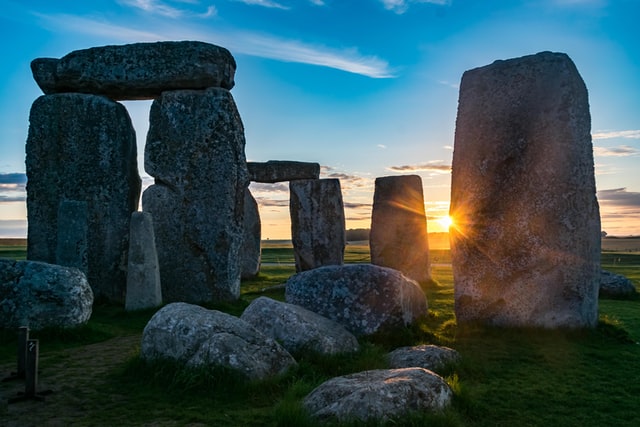
I am astonished that the Government do not understand rather better the need for our heritage. They make a lot of fuss about statues at Oriel College but somehow, other wonderful monuments do not seem to play any part in their thinking. Why is there no understanding that these monuments contribute not only to wildlife, the landscape and the soil in lots of ways but to human happiness? Luckily, the plans for the monstrous Stonehenge road have been turned down by a British court. Continue reading “We cannot keep trashing our heritage”
Category: Other issues
Heathrow expansion and other backward steps towards COP26
The government’s decision not to review the expansion of Heathrow, despite the obvious impacts on the climate emergency, is just one of the backward steps on the journey to COP26. The backward steps are the big decisions on climate change that can be categorised as ‘business as usual’ and won’t appear on any government media release. The £27bn road building programme, the thousands of homes and buildings being constructed that don’t meet zero carbon standards and the large number of waste incinerators. Even the fact that we are holding an inquiry into a new coal mine in Cumbria, or dishing out development licences for oil and gas exploration is bizarre when the science is telling us that the Greenland ice sheet is going to disappear and the seas rise by at least 7m (the palace of Westminster is 6m above sea level).
Continue reading “Heathrow expansion and other backward steps towards COP26”
Give Metro Mayors more power to act on air pollution
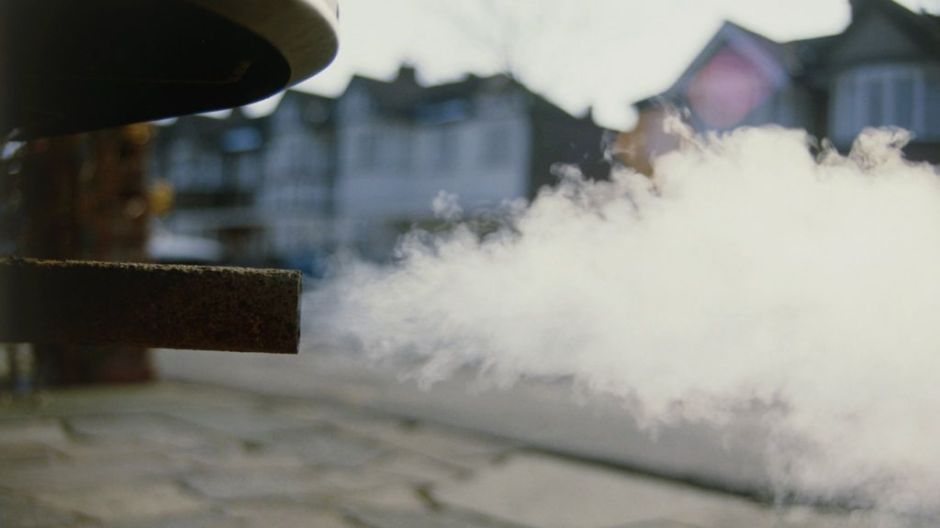
I have tabled the following amendment to the Environment Bill that would enable Metro Mayor to set tough air pollution standards for their area and give local authorities more power to act on sources of bad air such as wood burning stoves.
Continue reading “Give Metro Mayors more power to act on air pollution”
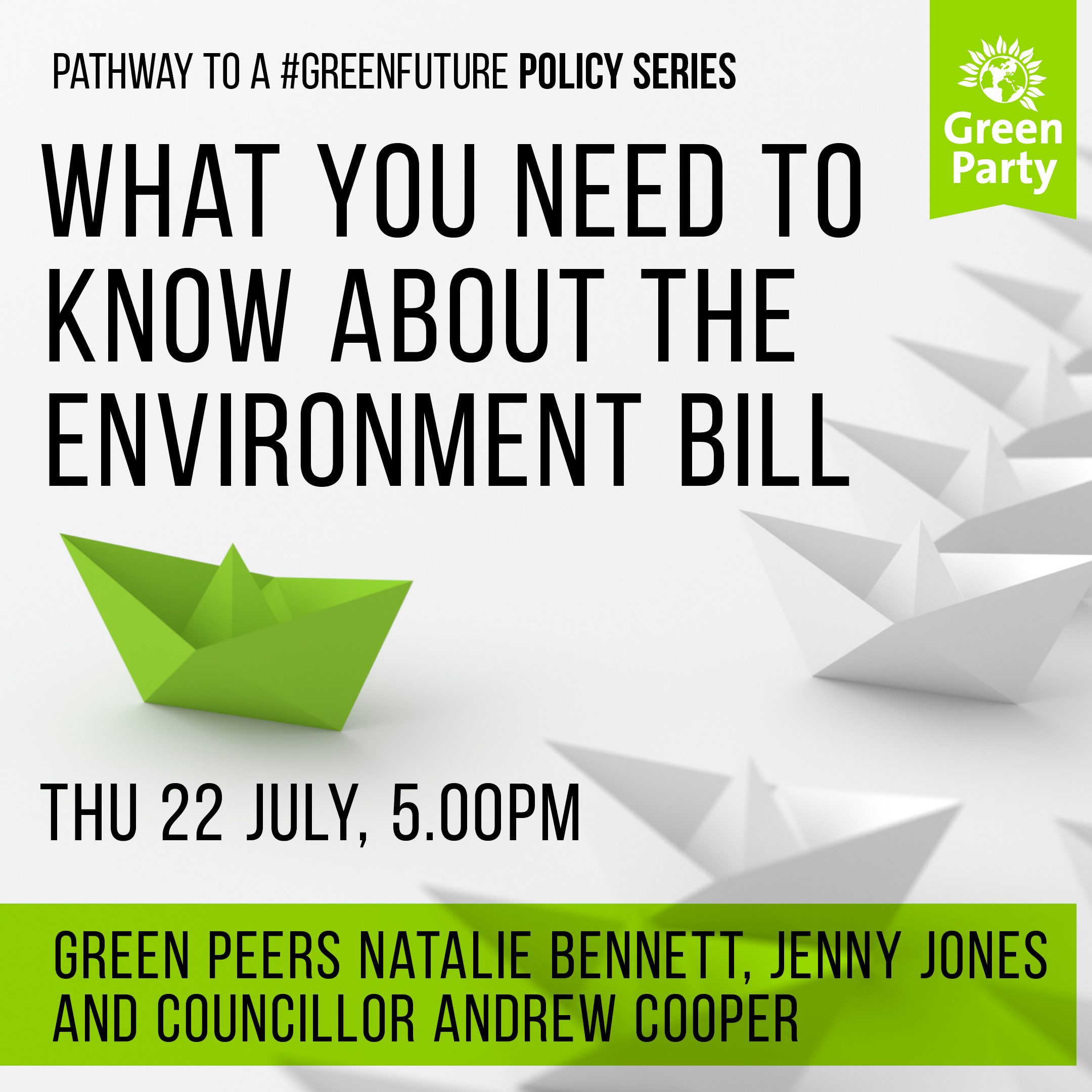
Register for the Environment Bill Webinar

Register here
Environment Bill Committee Stage Day 6 – Planning
I know that the Green Party’s 450 or so councillors sitting on over 140 local authorities, along with thousands of other environmentally aware councillors from other political parties, would be able to achieve a huge amount with these new powers—in particular, the ability to prohibit inappropriate activities that would be detrimental to biodiversity. Continue reading “Environment Bill Committee Stage Day 6 – Planning”
Environment Bill Committee Day 6 – Water
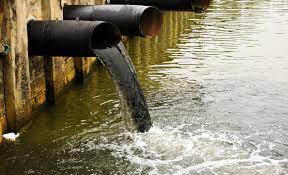
We currently use water in an extremely illogical way. Clean, drinkable water is flushed down the loo when there is a really obvious alternative: to not use it. The separation and capture of grey water should be routine, and the Government should make it a requirement in building regs, because the benefits are so blindingly clear.
When we combine the separation and reuse of grey water with the separation of sewage from drainage, we have a much more sustainable water system. I hope that not very long into the future we will look back on the idea of using clean water to flush our toilets and then mixing it with rainwater, before spending huge amounts of money getting the sewage back out, as illogical and disgusting. Continue reading “Environment Bill Committee Day 6 – Water”
Environment Bill: Plastics
The cheapest immediate option is often one of the most expensive if you look over its lifetime: cheapest is not the best. We have to look at and understand the future repercussions of everything we do. Government and Parliament have vital roles in the transition away from mass plastic. Industry, PR and lobbyists will bleat on about industry-led transition, but this is just greenwashing most of the time. For as long as you can buy bananas wrapped in plastic, you can know that the industry claims are nonsense. Parliament has to legislate, and the Government have to lead. This is one of many issues where central government absolutely must get a grip on local authority recycling services and set basic minimum standards across the country.
Continue reading “Environment Bill: Plastics”My amendment 109 addressing governance gaps in environmental law
Several requirements for the Secretary of State to report information to the European Commission in relation to environmental law have been lost because of the UK’s departure from the EU and the subsequent adoption of new statutory instruments. This poses a serious threat to the effective application of environmental law in the UK and the Government’s ability to achieve their stated aim and manifesto promise of leaving the environment in a better state than that in which it was found. The reporting of information relating to environmental law is absolutely vital to ensure transparency and accountability in environmental policy-making and ensure that government and stakeholders can identify and address environmental impacts. Continuity over time in the information being recorded and reported can also help to reveal trends and increase transparency.
My Amendment 109 would introduce a new clause into the Bill that is intended to address some extensive governance gaps in environmental law that have arisen because of the UK’s departure from the EU. Continue reading “My amendment 109 addressing governance gaps in environmental law”
Building to fail
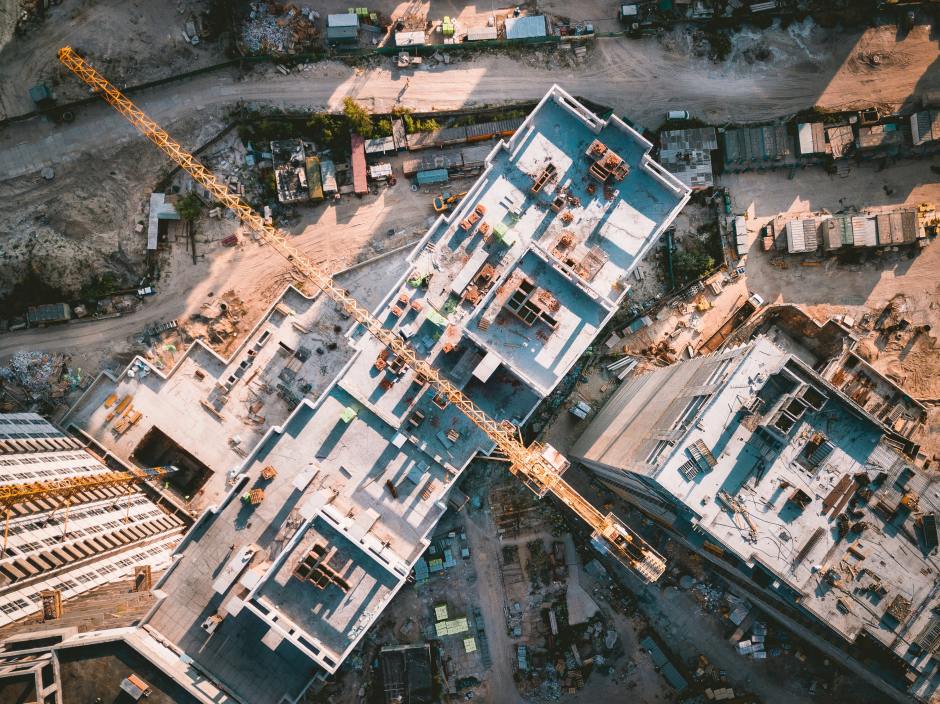
We cannot solve Britain’s housing crisis by building shoddy homes in dangerous places, We need high-quality, safe, energy-efficient homes situated in ecologically sound places. If the Government live up to their stated environmental ambitions or have the slightest bit of common sense, the way forward is obvious: we simply do not build on flood plains. It is a national problem that we cannot fix once these houses are built, because they will not be safe, dry or good to live in and it will be impossible to insure them. Once again, the Government are building for failure, and I do not understand why any Government would do that. Continue reading “Building to fail”
The Office for Environmental Protection currently lacks status, teeth, independence and accountability
It is widely recognised across the House that the office for environmental protection is not currently fit for purpose – it is too weak and easily ignored. These amendments would give it status and, more importantly, they would help to ensure the independence of the office and prevent the Government meddling. That is the sort of level of ambition that we should be setting for our environmental watchdog. Parliament is also the proper place for the OEP to be accountable to. Continue reading “The Office for Environmental Protection currently lacks status, teeth, independence and accountability”