Clean Air Bill must include new agency to enforce the right to clean air

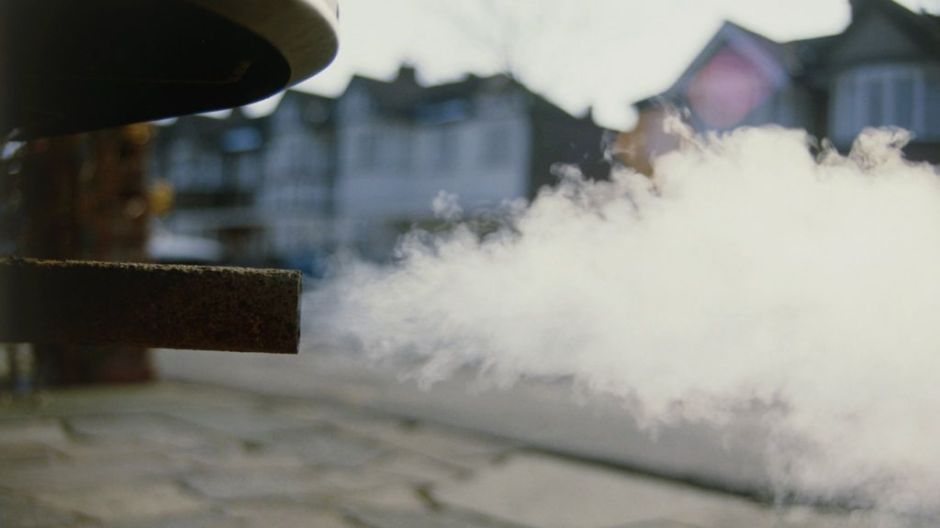
Four Parliamentary Committees have issued a joint report on air pollution today. One of its key recommendations is that there needs to be a new Clean Air Bill and that should establish a right to clean air. I have already committed to bringing forward such a Bill in the Lords, drafted by Clean Air London.

The pressure is building on the Government to act. Geraint Davies MP in the Commons and myself in the Lords, are both bringing forward draft bills to lay out what the Government needs to do. We need clean air to be a human right and with Brexit happening in the next two years, we need to urgently create an independent, environmental enforcement agency. I believe that we need a Citizen’s Commission to help people take the government and corporations to court if they fail in their responsibilities to public health and the environment. The loss of European Commission oversight with Brexit is both a threat to existing environmental protections and also, an opportunity to create something stronger in its place.

A 25 Year Environment Strategy that won’t last five minutes

The Government’s long awaited 25 year strategy for saving the environment will make very little impact on decisions made in the Treasury or other Ministries, unless there is hard law to make sure it all happens. 

With the UK government already in breach of many of its environmental commitments, environmental campaigners are increasingly reaching for the law in order to make change happen. Client Earth have taken the Government to court over air pollution, and won three times. It’s taken repeated legal threats from the EU for the Government to do anything about cleaning up our polluted rivers. Continue reading “A 25 Year Environment Strategy that won’t last five minutes”

Fewer traffic-police, fewer breath tests

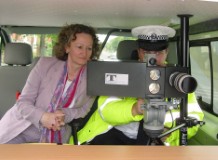
The number of drivers being breathalysed has declined significantly since austerity began in 2010. The number of drivers being tested has dropped from 736,846 in 2010 to 463,319 last year. Overstretched traffic police are letting many drivers get away with drink driving, despite the obvious risks to people’s safety. Continue reading “Fewer traffic-police, fewer breath tests”

2016 was a horrendous year for road casualties

The latest government figures on road casualties confirm the link between austerity and increased danger on the roads. The link was outlined in a report by RoadPeace in May this year. Today’s figures show that the number of people who were killed or seriously injured (KSI) on the roads in 2016 has risen. The Government has caveated the rise in serious injuries by saying that the police under-reported such injuries in previous years and suggest that the number remains virtually unchanged. However, the flat-lining of KSI figures since 2010 contrasts with a 16% decline in the 5 years prior to austerity starting in 2010 and far bigger declines in the years before that. Continue reading “2016 was a horrendous year for road casualties”

Best way to reduce congestion is to reduce traffic

Yesterday, the Lords debated congestion and being the only green in the room, I said what the experts say – we need ‘pay as you go’ driving. I was pleased that I got a bit of support from some of the Labour and Lib Dem peers. The government don’t deny it will work, they just think it will be unpopular with motorists. Continue reading “Best way to reduce congestion is to reduce traffic”

Brexit, a Clean Air Act and cycle lanes

Brexit will impact on every aspect of our lives, creating endless trauma but also the chance to improve things. We will need our own laws and our own enforcement agencies, and it’s an opportunity to create a body like the Environmental Protection Agency in the US, with its own staff, legal powers and a culture of independence from Government.
Continue reading “Brexit, a Clean Air Act and cycle lanes”

People die and this government sits on its hands

The Mayor of London issued a high pollution alert on Tuesday evening, but not the government, not the NHS, nor Public Health England, nor the Met Office and I didn’t notice anything on the BBC. Sadiq Khan has broken the silence which DEFRA managed to maintain for over a decade when Ken Livingstone and Boris Johnson were Mayors. He has quite rightly decided that the public’s health comes first and efforts should be made to warn them when we have a bad pollution episode. Unfortunately, the Met Office, the NHS and the BBC outside of London, all wait for DEFRA to act before telling the public and that is why the system of alerts has failed so badly.

The government have deliberately played down the health impacts of air pollution for twenty years, because they want to do the minimum they can get away with. If they regularly issued press releases telling people to avoid exercise, or busy roads, or even not to drive in pollution hotspots, then the public would want to know when the problem was going to be fixed. The solutions are well known and have been put in place in cities around the world: cleaner vehicles, used less.

The EU have taken the lead in the drive for cleaner vehicles and while they did a good job with regulating diesel lorries and larger vehicles, they had a light touch approach to the car manufacturers. That approach failed miserably. Many car makers put profit before people and cheated on the tests. The differences between performance in the test and the reality on the roads can be measured in human lives cut short.

Meanwhile, Labour, Conservative and coalition governments have all failed to reduce traffic. In fact, they have acted to encourage traffic growth with new roads and cuts to public transport. The cost of driving has declined while the cost of fares has risen. Measures like pay as you go driving have been promoted by the experts, but rejected by politicians running scared of the motoring lobby. A few years go the Greens on the London Assembly even commissioned a report on how it would work in London and we shared that with Transport for London.

I’m glad that Sadiq Khan is now putting this forward as part of a London strategy to reduce traffic by 3m journeys. Such policies need our support if we are to end the public health scandal of air pollution