
The first day of committee saw Jenny supporting all the tabled amendments in an effort to improve this bill…
Continue reading “High Speed Rail (West Midlands-Crewe) Bill Committee Stage day 1”
Our streets should belong to people first, vehicles second
Jenny has worked to make safe space for walking and cycling, to improve public transport and to reduce traffic levels
Read on for her latest posts on this topic
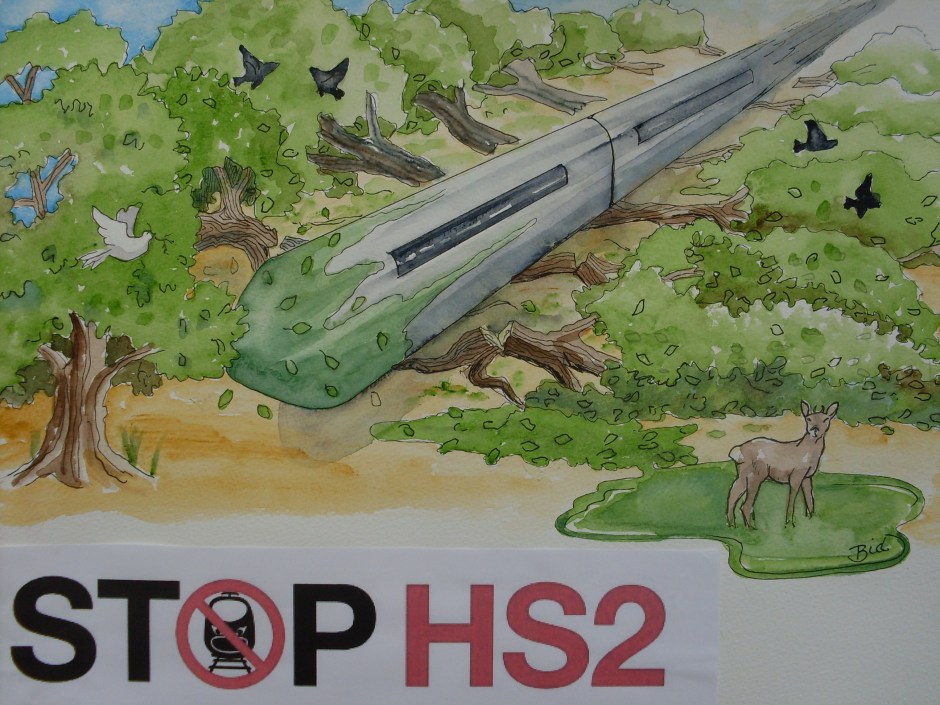
The first day of committee saw Jenny supporting all the tabled amendments in an effort to improve this bill…
Continue reading “High Speed Rail (West Midlands-Crewe) Bill Committee Stage day 1”

My Clean Air (as a human right) Bill has been submitted to the Lords today and will hopefully reach a 2nd reading in a few months. It is one of five separate Bills being put forward by MPs and local authorities to promote the idea of a Clean Air Act. Continue reading “Clean Air Bill goes to Lords”

I find it infuriating that Labour and Lib Dem councils are still approving waste from energy incinerators while their national parties declare a Climate Emergency. Labour have passed a motion at their conference aiming for zero carbon by 2030, but contracts between local authorities and incineration companies will last well beyond this timescale.
In 2016 waste incinerators officially accounted for 10.5 million tonnes of greenhouse gases and that total is going up rapidly as we burn more waste. The real total is double that according to analysis done by the ‘No Incinerator UK’ campaign, who point out that the amount of plastic being burnt has gone up rapidly since 2011 when the government last calculated the mix of waste that was being put into incinerators.
A quick glance at oil company profits from recent years shows that plastic production has become crucial to their profitability with plastics accounting for half of global oil consumption growth to 2040. Oil, in the form of plastic, is the ideal fuel for incinerators and enables them to reach the temperatures where everything else burns nicely. We want to stop cars using petrol in the next ten years, so why are we happy for incinerators to use it?

Boris Johnson has written an article in The Times describing the Environment Bill which will be in the Queen’s Speech on Monday. As a quick measure of how green this Environment Bill really is, here are five policies that it must include: Continue reading “Green tests for the Environment Bill”

If you are a pedestrian who gets killed or suffers serious life changing injuries as a result of being hit by a car, there is more than a one in ten chance that the driver will fail to stop. One of the reasons our roads have become so lawless is the lack of resources put into police investigation and enforcement of road crimes.
Continue reading “Austerity and deaths on lawless roads”
Over two years ago, I predicted that we would now be reaching the point where we burnt more household waste than we recycled and the 2018/19 figures from DEFRA, due to be published this December, will confirm that I was right. I have been warning that this would happen since my time as a London Assembly member, when it became clear that several London boroughs were tied into incineration contracts that inevitably led to them recycling far less than neighbouring boroughs. Continue reading “Burning more than we recycle”
At least 108 ancient woods are threatened with loss or damage from the two phases of HS2, with phase one already underway. A review of the HS2 project has been set up by the government and I have raised the issue of a complete suspension of all environmentally damaging work with the review team. Extinction rebellion have joined with local campaigners and with Chris Packham to organise protests against the work going ahead.
Work on the woodlands has now been suspended, which is great. These woodlands are crucial spots for biodiversity; the trees are hundreds of years old and have therefore become prized spots for rare invertebrates, bats and birds. However, there are many other habitats that need preserving while the review takes place.
Colne Valley is a good example of a site that needs treating with caution. It is not only beautiful, its aquifer is one of the main water supplies for London. Local campaigners have today sent HS2 a warning notice of intended legal action if the company goes ahead with plans to drive, a hole 30m deep, straight through the sub-soil of a highly polluted area and into the permeable rock of the aquifer below. This would potentially be a criminal act, as it would impact on the water supply of several million people.
A local pumping station had to be closed down a few years ago because of pollution from a local landfill site. Local greens have evidence that the closure of that pumping station has changed the flow of the underground water and it now goes directly under where HS2 are doing their work. I have asked a series of questions about this in the Lords and intend to send a lot more. HS2 need to start taking their environmental responsibilities seriously.

Today Jenny wrote to Communities Against Gatwick Noise and Emissions (CAGNE), the volunteers behind the ‘Pledge to Fly Less’ environmental campaign to say:
Jenny supports you; she thinks it is vital to put the brakes on airport expansion to save the planet
Continue reading “Communities Against Gatwick Noise and Emissions”
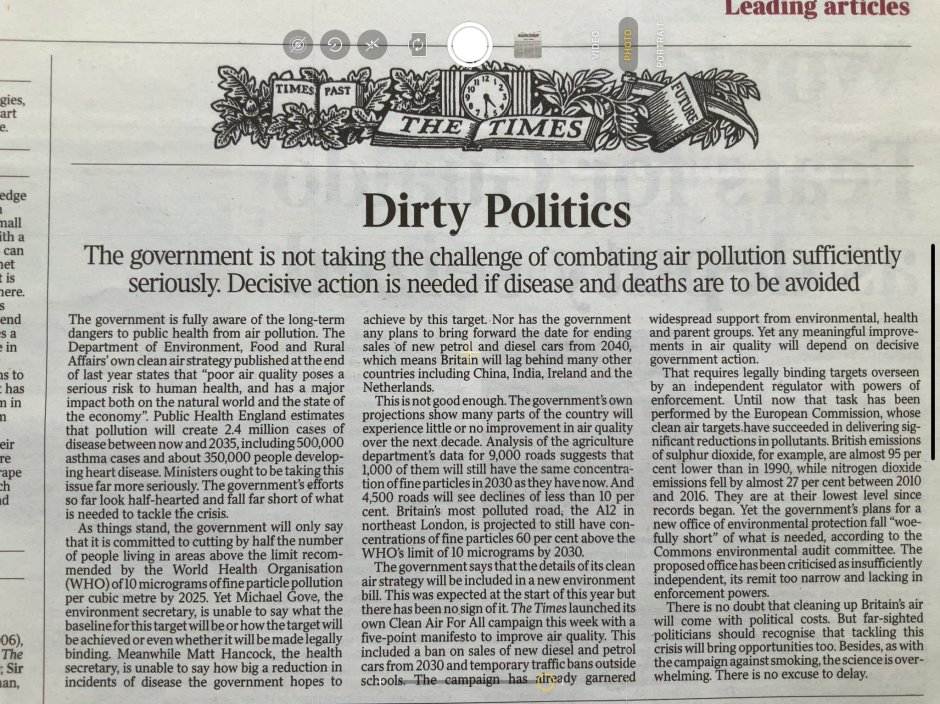
The Times has taken up the campaign for a new Clean Air Bill to ensure that everyone has the right to breathe unpolluted air. Hopefully that means my Clean Air (Human Rights) Bill is one step nearer being adopted by the government. Continue reading “Making Clean Air a legal right”
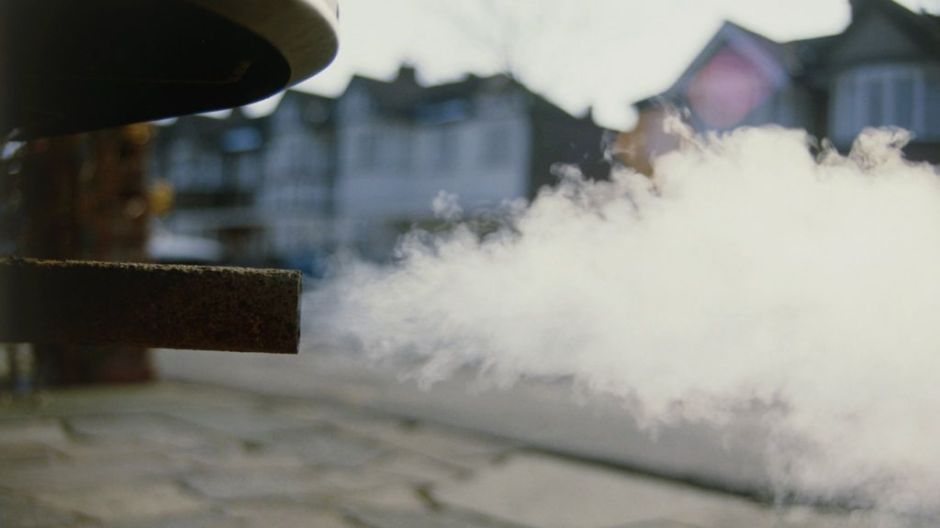
A data audit by Friends of the Earth has revealed the 1,845 sites across the UK that have breached the annual Air Quality Objective for Nitrogen Dioxide (NO2) levels, which is set to protect health. High levels of NO2 can cause a flare up of asthma or symptoms such as coughing and difficulty breathing. A leading cause of NO2 pollution is emissions from road traffic. Continue reading “Nearly 2000 air pollution ‘hotspots’”
 Baroness Jones of Moulsecoomb