Brexit – what next?

Politicians in the UK have largely wasted the last four years discussing border arrangements, rather than the icecaps melting, rivers flooding and forests burning. The environment and our rapidly changing climate doesn’t recognise legal boundaries or custom checks. Despite the admirable efforts of Extinction Rebellion, Parliament has made few actual changes to end or even limit the damage we are doing to our planet. That has to change and I can only hope with January 31st out of the way, we can focus on promoting the New Green Deal and other essential changes. Continue reading “Brexit – what next?”

Withdrawal Bill needs to include scrutiny for any backwards steps on the environment

With all the Henry the Eighth powers, secondary legislation making powers, and judicial erasure powers that Parliament will have handed to the Government in the Withdrawal Bill and other Brexit legislation, Ministers are going to find themselves with an unprecedented ability to rewrite enormous aspects of UK law at will. The Commons will be effectively by-passed and the Lords may feel compelled to wave it all through, as happens with almost every piece of secondary legislation. For this reason, it is so important that we put a backstop into law now, to protect environmental, food safety and animal welfare standards. Continue reading “Withdrawal Bill needs to include scrutiny for any backwards steps on the environment”

Future Generations Bill introduced

Today, I am introducing the Future Generations Bill on behalf of independent peer, John Bird (founder of Big Issue). This Bill aims to look after the interests of the very young and those not yet born. In the words of John Bird, the world of tomorrow should: “… not simply be an accumulation of the half-arsed hopes and the short-term governmental thinking of days gone by.”

Continue reading “Future Generations Bill introduced”

Communities Against Gatwick Noise and Emissions

Today Jenny wrote to Communities Against Gatwick Noise and Emissions (CAGNE), the volunteers behind the ‘Pledge to Fly Less’ environmental campaign to say:

Jenny supports you; she thinks it is vital to put the brakes on airport expansion to save the planet

Continue reading “Communities Against Gatwick Noise and Emissions”

Latest Podcast out

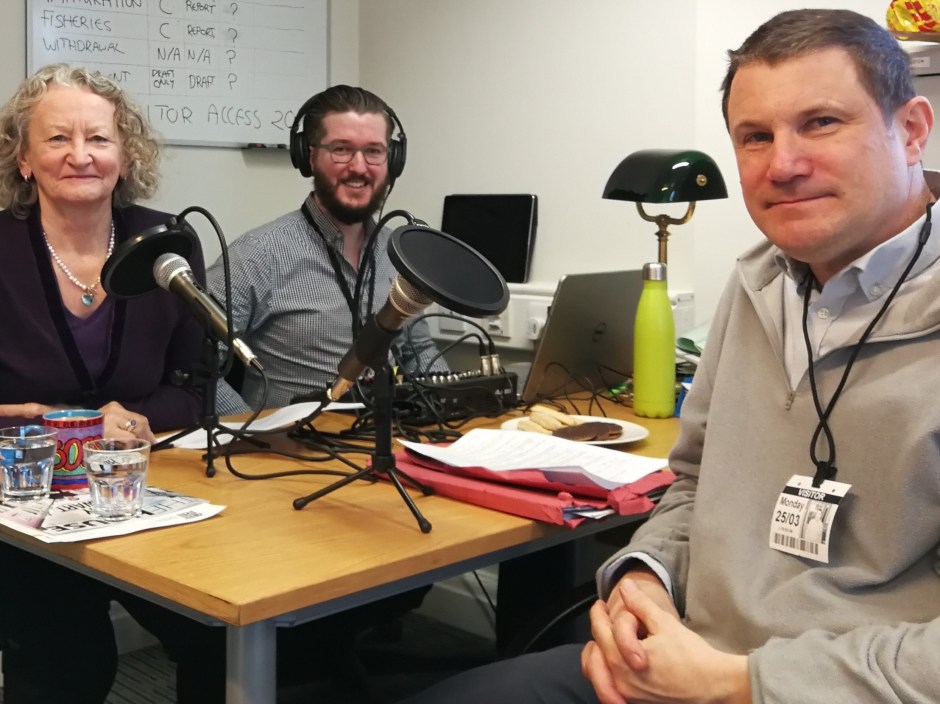
Green Jenny Jones talk to Shane Collins about how to decriminalise drugs

I worked with Shane for years in the London Green Party, before he moved to Frome and got himself elected to Mendip District Council. He has been involved with writing the Green Party’s policy on drugs and he has a long history of campaigning on a host of issues. Continue reading “Latest Podcast out”

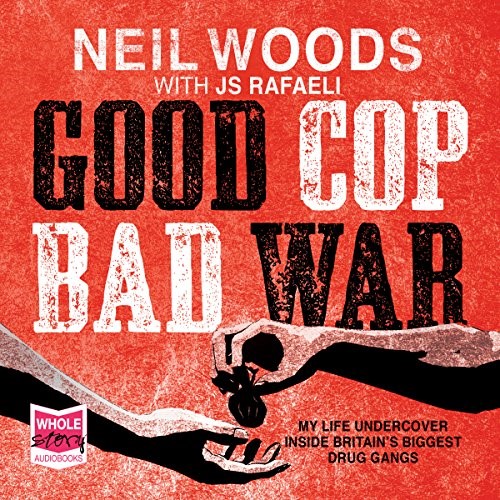
Podcast. Neil Woods “Ending the war on drugs”

I talk to Neil Woods, one of Britain’s most successful (ex) undercover police officers. 

Neil has authored two fascinating books about his experiences as an undercover cop turned whistle blower “Good Cop, Bad War” and “Drugs Wars”. 

Neil’s personal experience as one of Britain’s most successful undercover officers deserves our respect and attention; he has played a key role in putting away numerous dealers for a collective total of over a 1,000 years. He survived the grave personal toll that brave officers can suffer in their losing fight against drugs gangs.

Having a knife to your throat, or being stripped naked at gunpoint can take a personal toll on the undercover officers who have tried to fight a war on drugs that can’t be won. Neil suffers from Post-Traumatic Street Disorder. Year after year the trade becomes more violent, as the police are more successful. The drugs war is an arms race. Police develop new tactics and drug gangs push back. Neil realised that the escalation by the gangs was a reaction to his work as an effective police officer.

County lines is the latest reaction by the gangs to that success.  Use of children is another innovation – a result of police success. Not so easy for police to infiltrate using established means. Gangs see the children as very disposable.  That is why some of the police want to increase the use of juveniles as police informants – child spies. Exposing this has been one of my big campaigns and is now the subject of legal action by a children’s charity.

Two things changed Neil’s personal view of the war on drugs. He got to know drug addicts and started to understand the traumas (often childhood abuse or neglect) that turned them towards drugs. He also realised that it was a war the police can’t win, despite all their success. In fact, the successes made things worse in the longer term.

Police now talk about ‘disruption’ not reduction. A stable market is less violent. Police often gather the low hanging fruit of dealers on streets, which thins it out, makes easier to create monopolies.

Drugs money has caused escalating violence on the streets and supports other forms of crime. It also provides the resources to finance endemic corruption within the authorities. Neil talks about how his instincts saved him from being betrayed by a fellow officer who had been planted into the police by a powerful gang.

Since prohibition started, the banned drugs have become stronger and cheaper. Neil had to take drugs on occasion as part of his cover.  One packet “smelt like urine from a glue sniffing cat”. Legislation from the 1980s onwards has moved away from harm reduction towards a moralising agenda of criminality.

It’s no coincidence that Brixton Riots happened ten years after Misuse of Drugs Act. The police were given a war chest of powers that government Ministers expected them to use. Persecution of black people was driven by drug policy and a clamp down on cannabis. 90% of stop and search has been for drugs.

The police have been lumbered with this war on drugs. It’s a huge drain on resources. For example, it’s a big impact on murder detection rate since declaration of the war on drugs. Despite scientific and forensic advances, the murder clear-up rate is down.

Society is paying a big cost for the war on drugs. People in prison cost money. Authorities are damaged by the corruption of drugs money.

The way to win the War on drugs is to stop fighting. Regulate them. Treat each drug differently, so for example with Heroin you go to the doctor.

A recent survey shows that 59% of people want to decriminalise or regulate cannabis use. That shows how public understanding is running ahead of the politicians from the two main parties. A big change is urgently needed.

Crowdfunder: referendum law breakers

For democracy to work fairly and effectively, all campaigners and parties must operate on a level playing field; no one can be above the rule of law.  Whichever way we voted in the referendum, we should all agree that wrong doing needs to be dealt with.

That is why I have joined with other concerned politicians and ex-politicians, Tom Brake MP, Ben Bradshaw MP and Fiona Mactaggart who believe in accountability and that is why we are asking for your support in our legal action. Continue reading “Crowdfunder: referendum law breakers”

Latest podcast

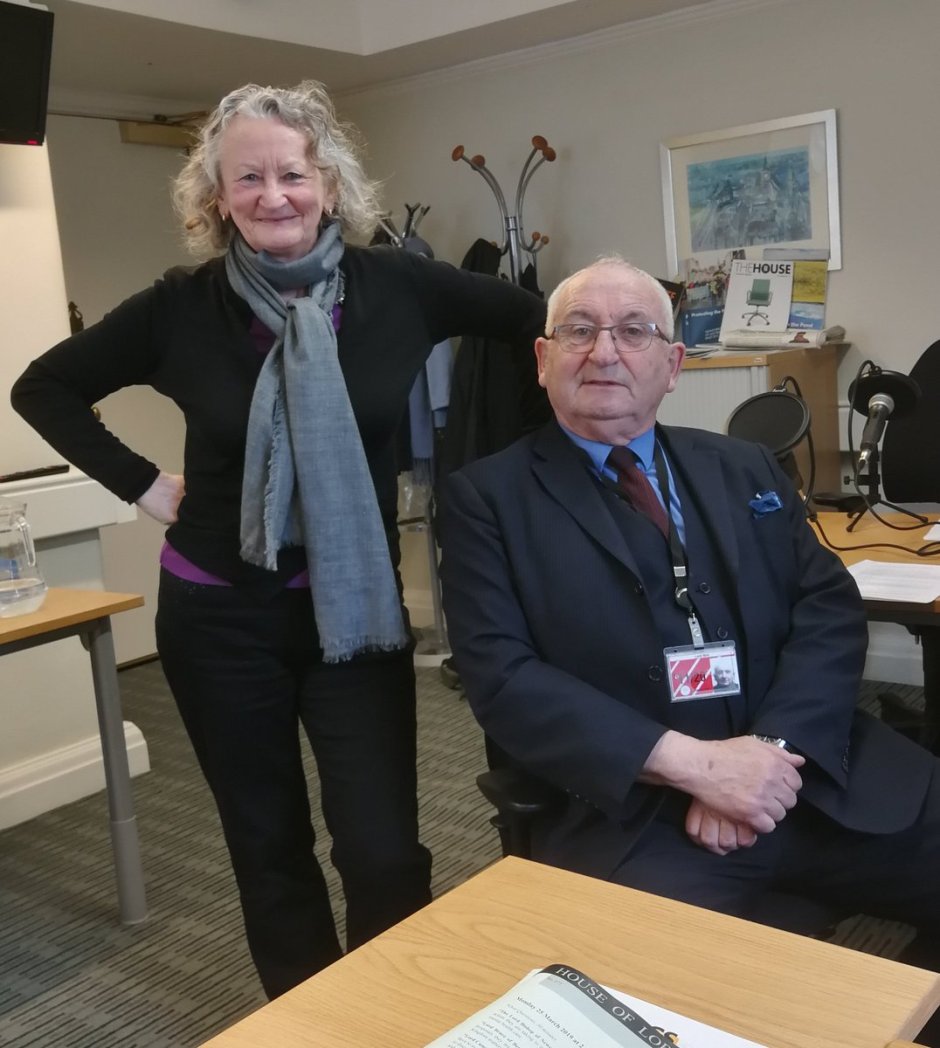
Jenny talks to Mike Schwarz, civil liberties lawyer, about the right to protest

Mike Schwarz has been a human rights lawyer at Bindmans for 25 years. He has represented numerous campaigners, including all three of Jenny’s part time staff. He describes the ups and downs of the right to protest over those years. Continue reading “Latest podcast”

Green win: rights for Property Guardians

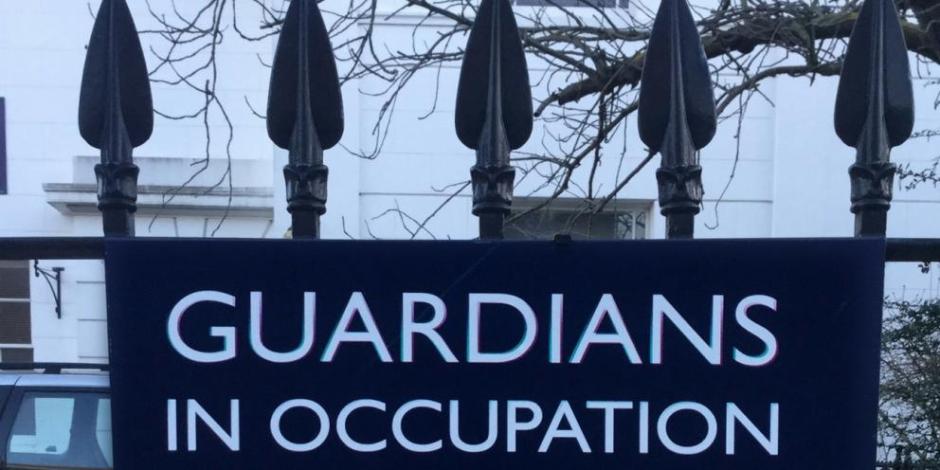
It’s not often that a Minister starts a sentence by thanking a political opponent for introducing an issue and then says “How right she was to raise it in the way she did in October. I’m grateful for her for that and our subsequent meetings.“ The Minister then promised action to address my concerns over the exploitation of thousands of people who act as Property Guardians. These are people who protect a property by living there with the agreement of the owners, but have none of the legal rights enjoyed by those paying rent. Continue reading “Green win: rights for Property Guardians”